A visit to a “microbe memorial” in Kyoto
Seeing the unseen
Gratitude for countless voiceless lives
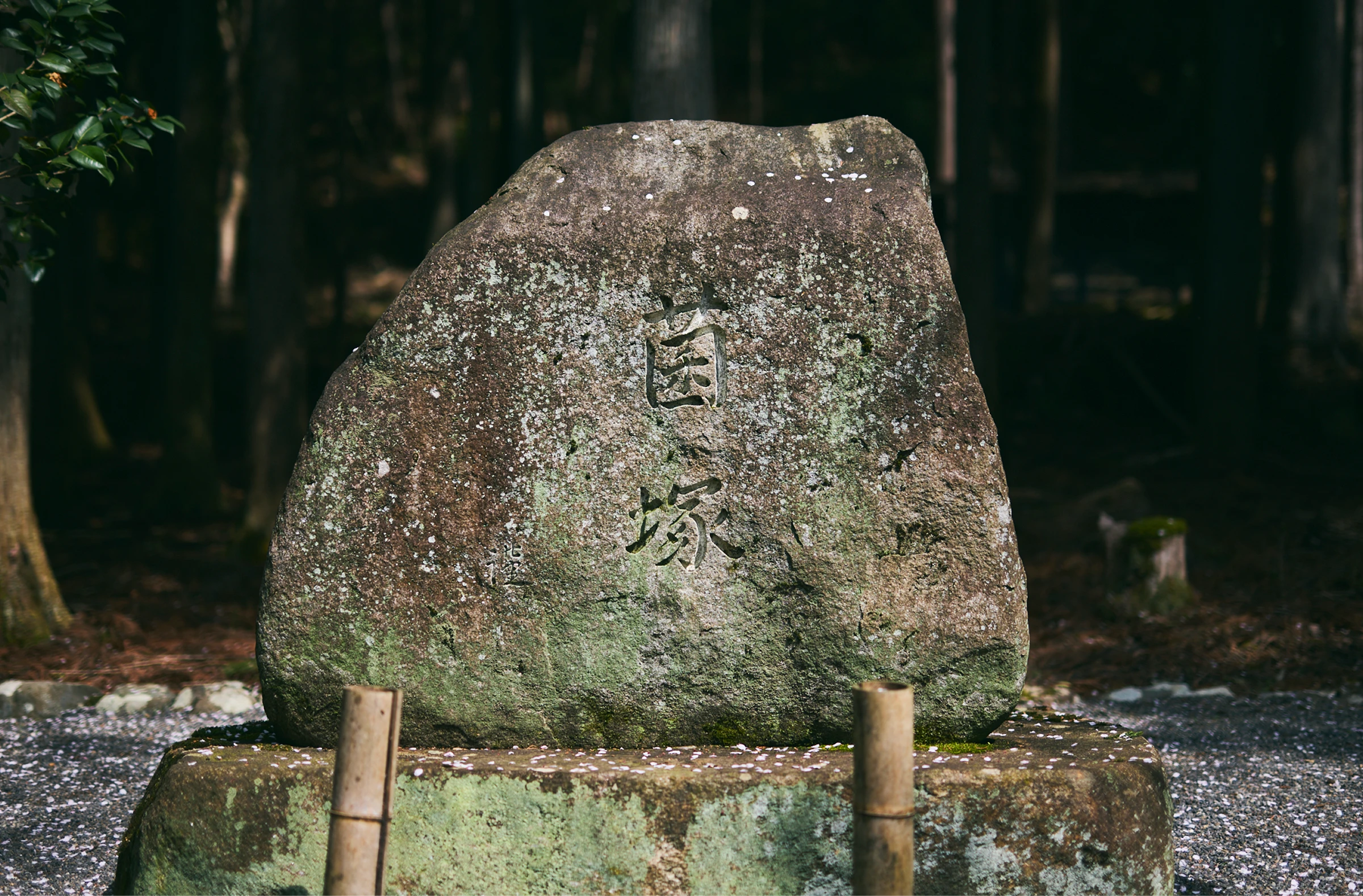
At Manshu-in Monzeki, a medieval temple in Kyoto, there is a monument that is perhaps totally unique in the world—a memorial for microorganisms (kinzuka, literally “microbe mound”). It was built in 1981 by the retired president of Daiwa Kasei, out of affection for the countless microorganisms that died as part of the company’s enzyme research. This was his way of honoring their sacrifice.
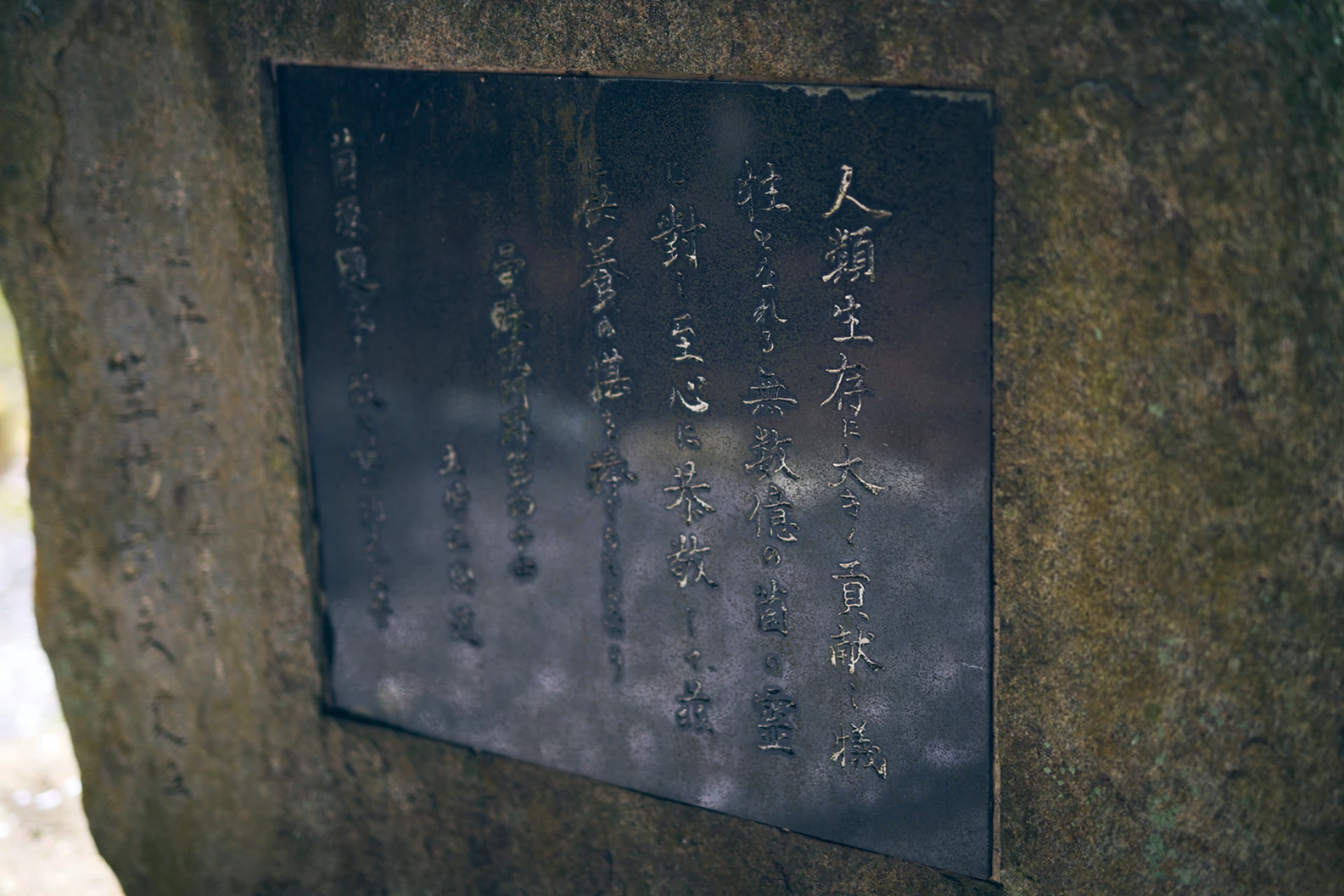
Although invisible to the naked eye, these microorganisms were not regarded as mere lifeless raw materials, but as living beings worthy of gratitude. One reason this microbe memorial was permitted in an area designated as a Special Historic and Cultural Preservation District may be that this sentiment resonates deeply with many Japanese people. Amano Enzyme likewise harnesses the power of enzymes in the hope of helping to solve a range of real-world challenges. A similar spirit of respect for the innumerable tiny lives that sustain our world underlies our many discoveries. We remain grateful to nature for the many blessings it provides.
Realizing what we are entrusted with
As we have seen, Amano Enzyme’s business is rooted deeply in the natural environment and culture of Japan. As humans entrusted with the life, history, and hopes of our predecessors and countless beings, what can we pass on to the next generation? Human perception is limited. And perhaps this question can never be answered. Nevertheless, through our business, we will keep on striving to pass on the knowledge, insights, and wonder that people have accumulated through the ages, without losing our sense of awe, respect, and gratitude for nature. We also believe that while our resources are finite, human ingenuity is limitless. Never losing sight of all the precious things that have been passed down and entrusted to us, we will contribute to sustaining life as creatively and resourcefully as we can.
<Special thanks to Manshu-in Monzeki>