A visit to Sakamoto Kurozu in Kagoshima
A world that remains 99.99% unknown
Fermentation, connecting life and lives
Japan’s food culture has long been intertwined with fermentation. Long before microorganisms and enzymes were understood, people sensed nature's invisible power and used it to prepare fermented foods such as vinegar, soy sauce, miso, and sake. Their fermentation enabled long preservation and enhanced nutritional value. For many centuries, the role of microorganisms in making the most of limited resources was recognized, valued, and passed down through the generations.
Amano Enzyme’s work with enzymes is part of a sustainable tradition rooted in a culture of respectful coexistence with nature. A typical example is how scientific research allowed us to understand the power of enzymes found in microorganisms collected from the soil and use these enzymes to help rice and bread stay fresh longer, thereby preventing food waste. In recent years, we have also been contributing to efforts in recycling and upcycling waste, as well as investing in and jointly developing new solutions with startups working with microorganisms and enzymes. Enzymes can also be used as catalysts to enable efficient chemical reactions under mild conditions, greatly reducing the environmental impact of the same reactions under high-temperature, high-pressure condition.
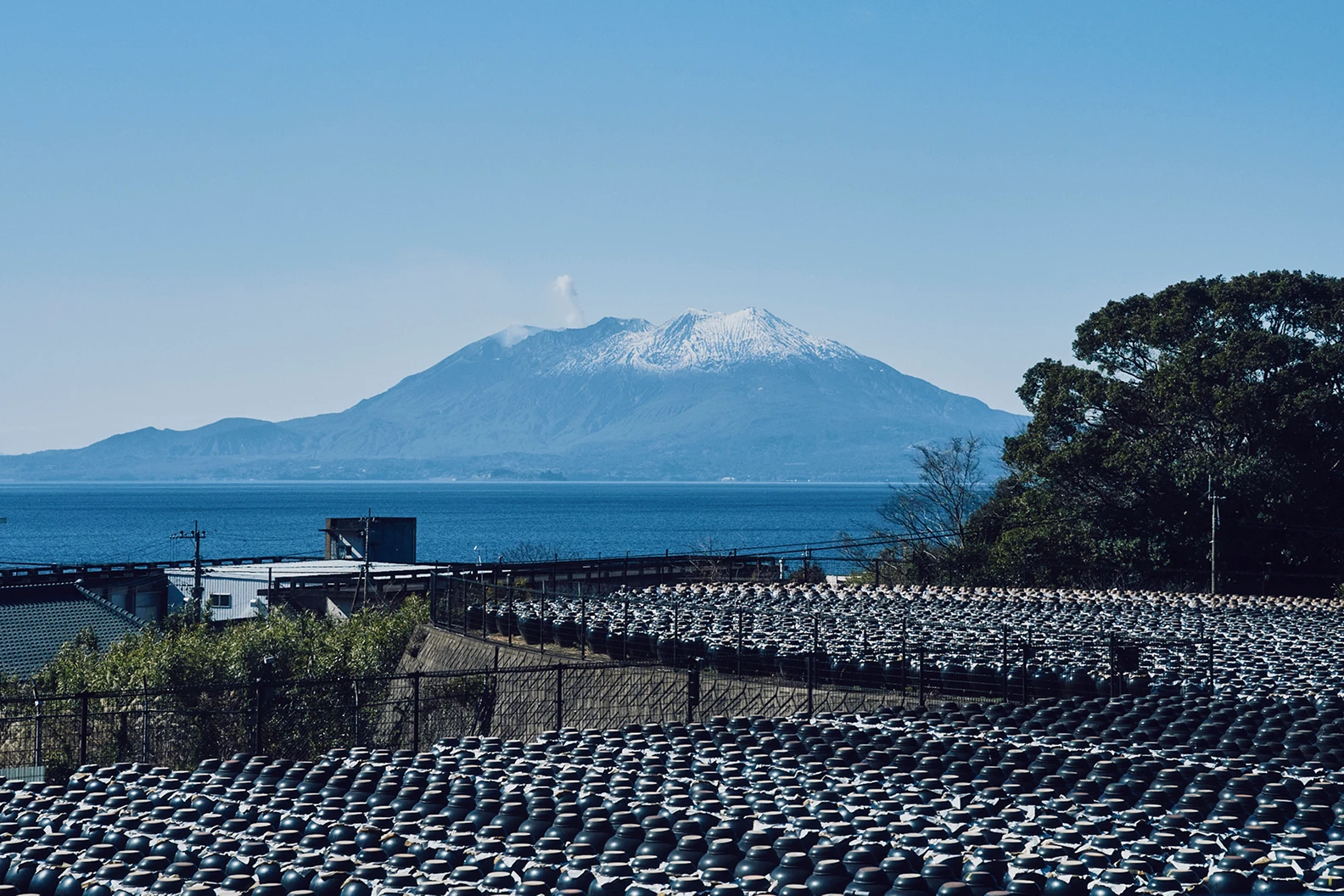
Sakamoto Kurozu is a company specializing in vinegar production. Preserving traditional brewing methods since the Edo period, it produces a unique black vinegar (kurozu) that can only be produced in the specific climate of Fukuyama Town, Kagoshima, in Kyushu. Since this brewery offers a firsthand experience of the unique collaboration between the powers of nature and humans, every year Amano Enzyme sends its employees there to learn.
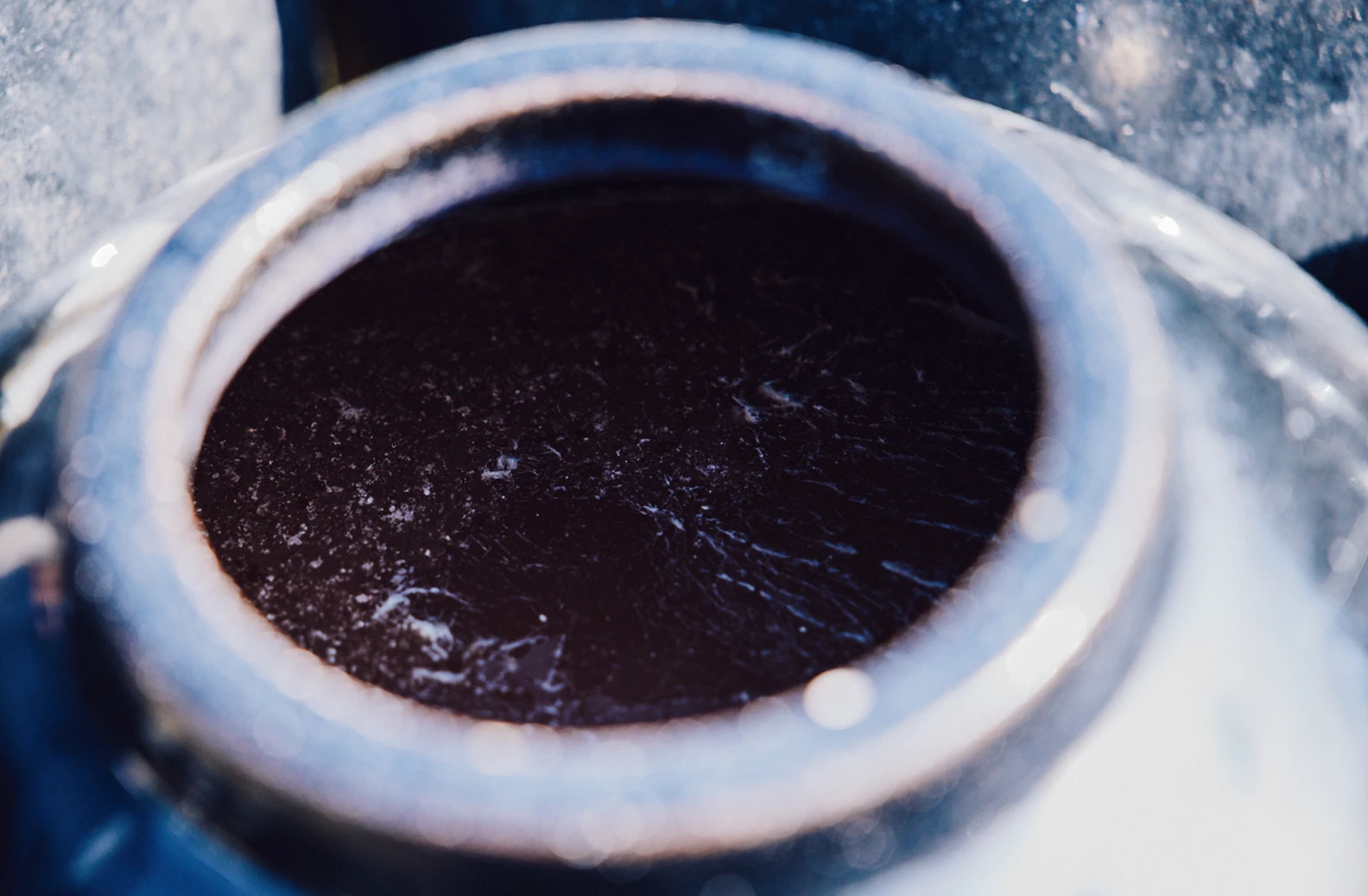
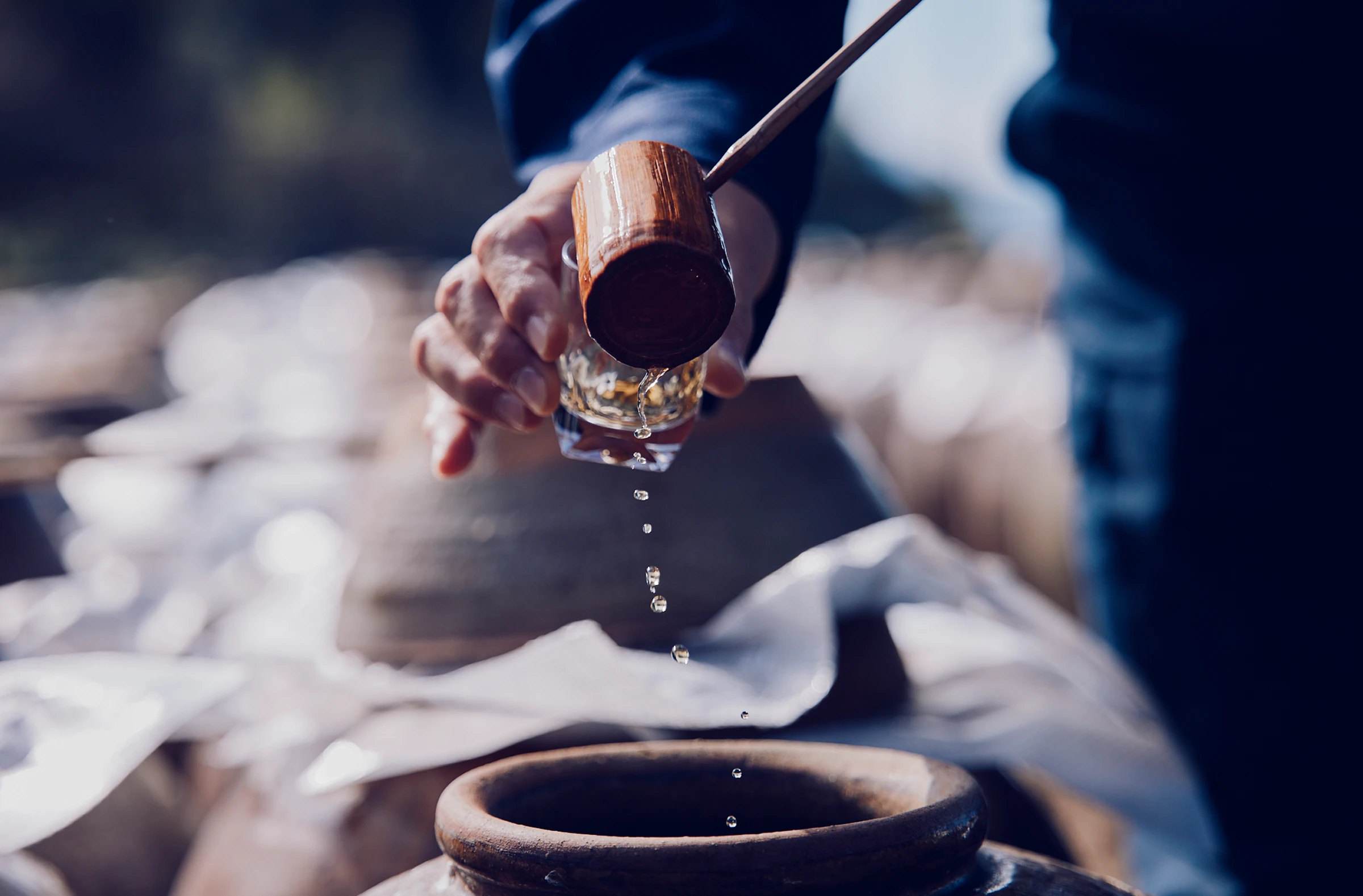
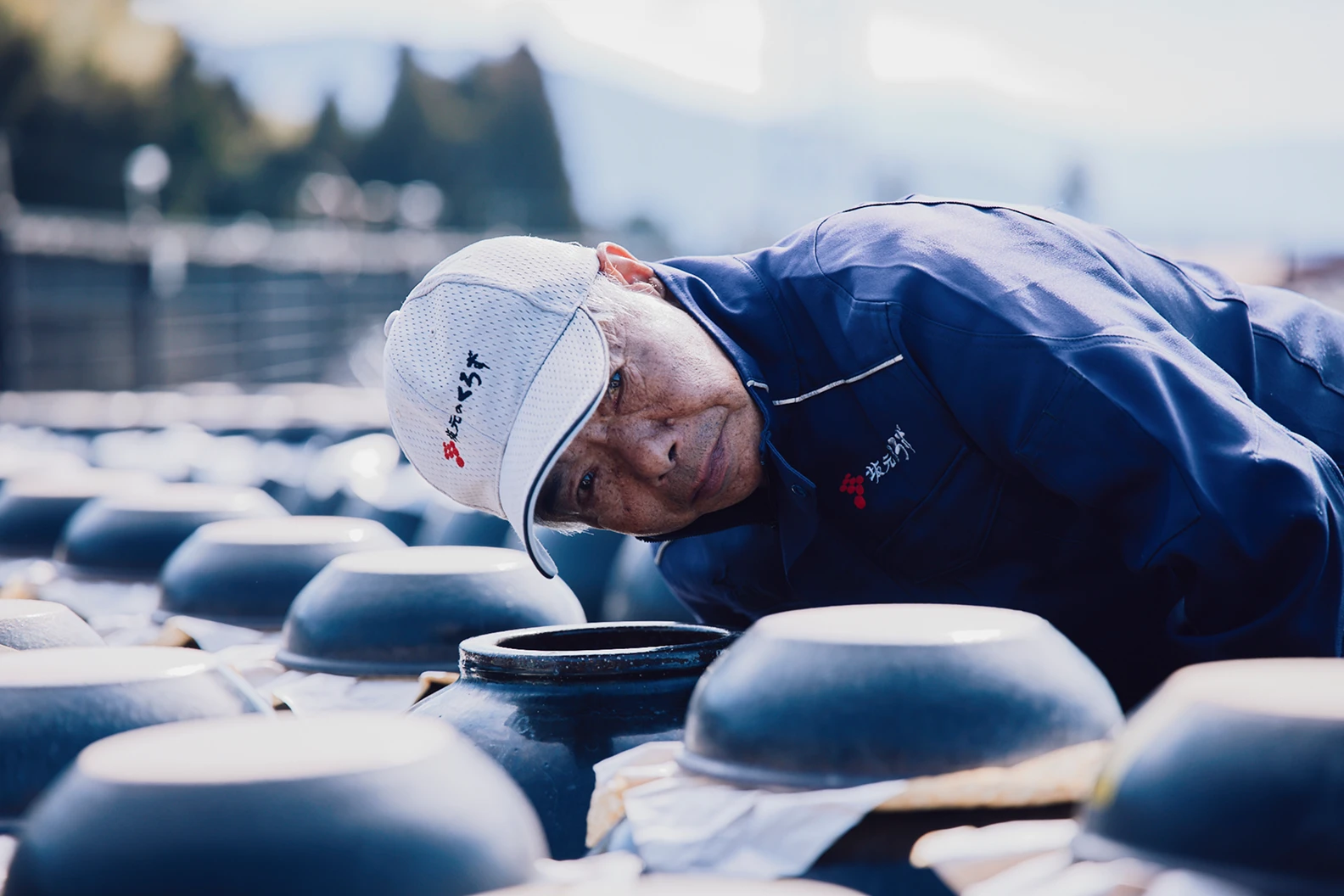
The black vinegar at Sakamoto Kurozu is made by putting steam rice, koji, and groundwater into large ceramic jars, which are then left out in the sun in the so-called “jar field,” as if cultivating the vinegar much like a crop in a field. Using all five senses, trained brewers inspect the fermentation process daily. Finally, after several years, the distinctive black vinegar is ready. Although this traditional method is time-consuming and costly, it is believed to result in the finest product. This black vinegar is highly prized not only for its deep flavour but also for its perceived health benefits. Unsurprisingly, its reputation has spread throughout Japan.
Nature, a treasure trove of innovation
Several universities are conducting research into the health effects of black vinegar. Although its benefits have now been demonstrated, the reason it is so effective remains a mystery. It is said that science currently knows only 0.01% of all enzyme-producing microorganisms. The remaining 99.99% is still unexplored territory. This figure was previously thought to be 0.1%, but advances in DNA sequencing and other analytical techniques have revealed that we knew even less than we had assumed.
This is precisely why we believe we may one day discover enzymes capable of functions humans cannot even imagine. At Amano Enzyme, we utilize state-of-the-art biotechnologies, including protein engineering, to modify enzymes, while also continuing to use traditional screening methods. In other words, we collect samples from a wide range of natural environments and maintain an extensive library of microorganisms. This enables us to uncover the unknown functions of countless enzymes found in nature and respond to enzyme-related requests from around the world. In fact, we discovered one of our most important commercial enzymes in soil from a stream near the home of one of our employees. It goes to show that a spoonful of soil can yield significant benefits worldwide. The realization that we understand only a tiny fraction of nature’s workings opens the door to groundbreaking discoveries.